From drawing to prototype:how a chair is resolved
Proportion, comfort and joinery are tested at full size, long before a chair is made in number.
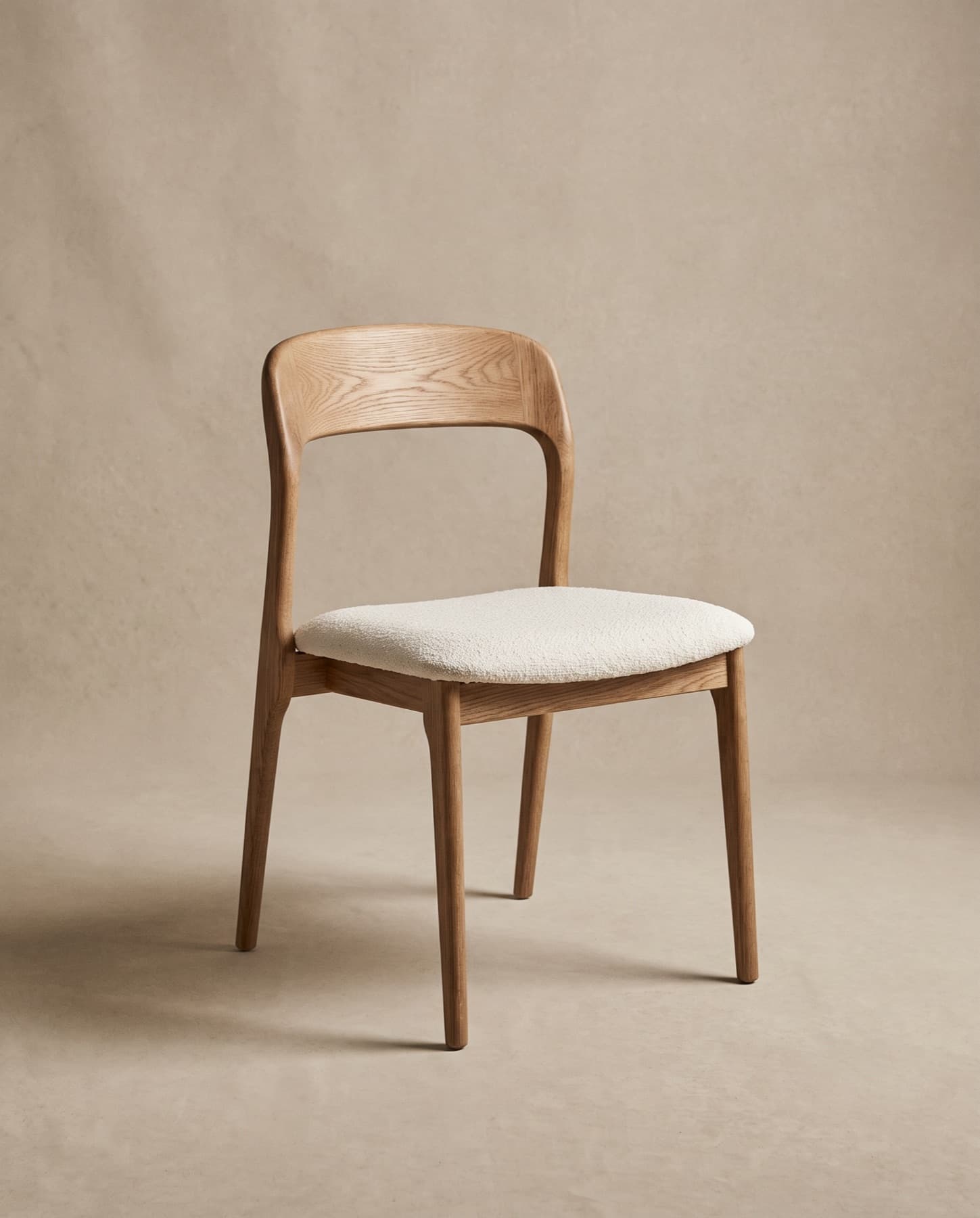
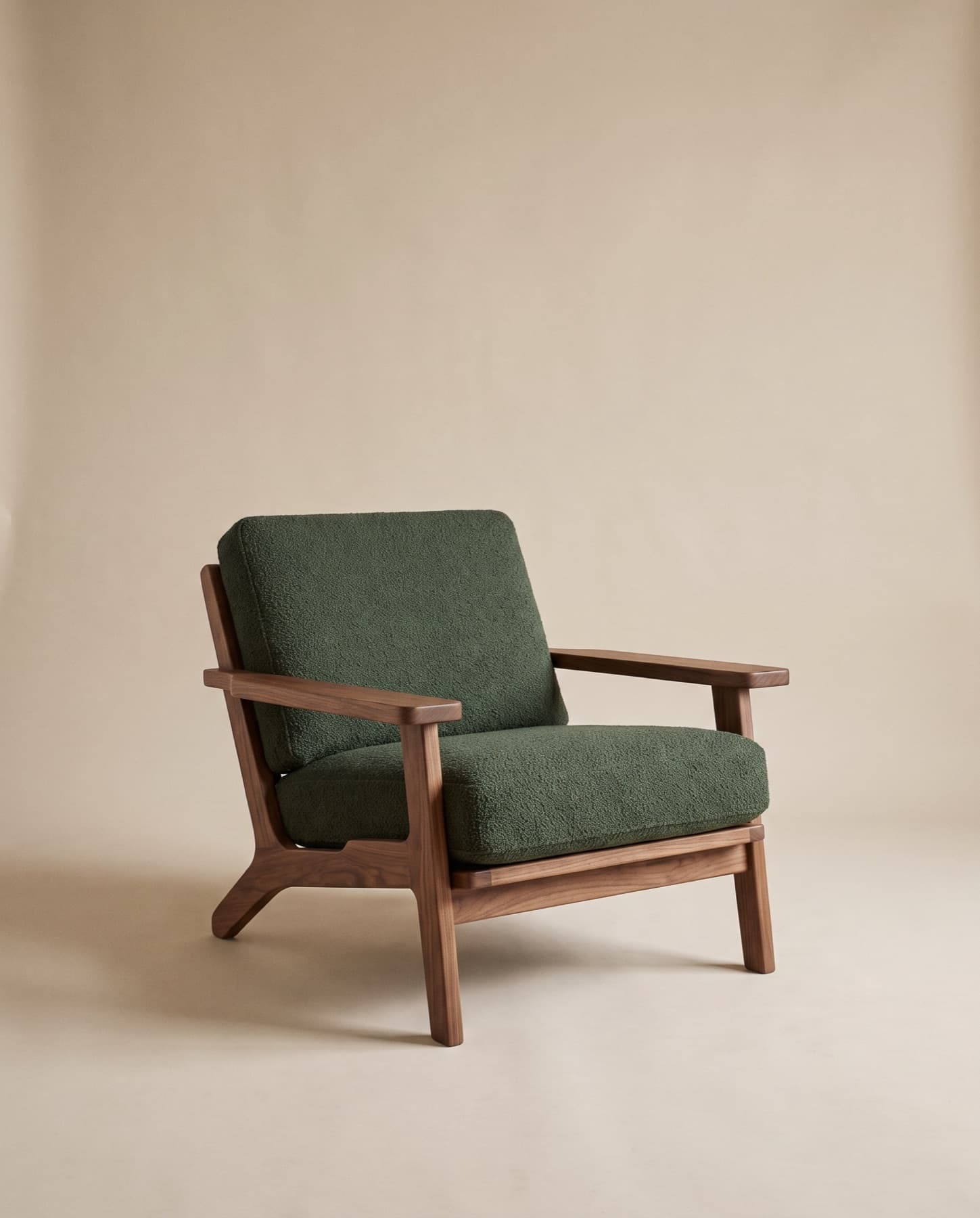
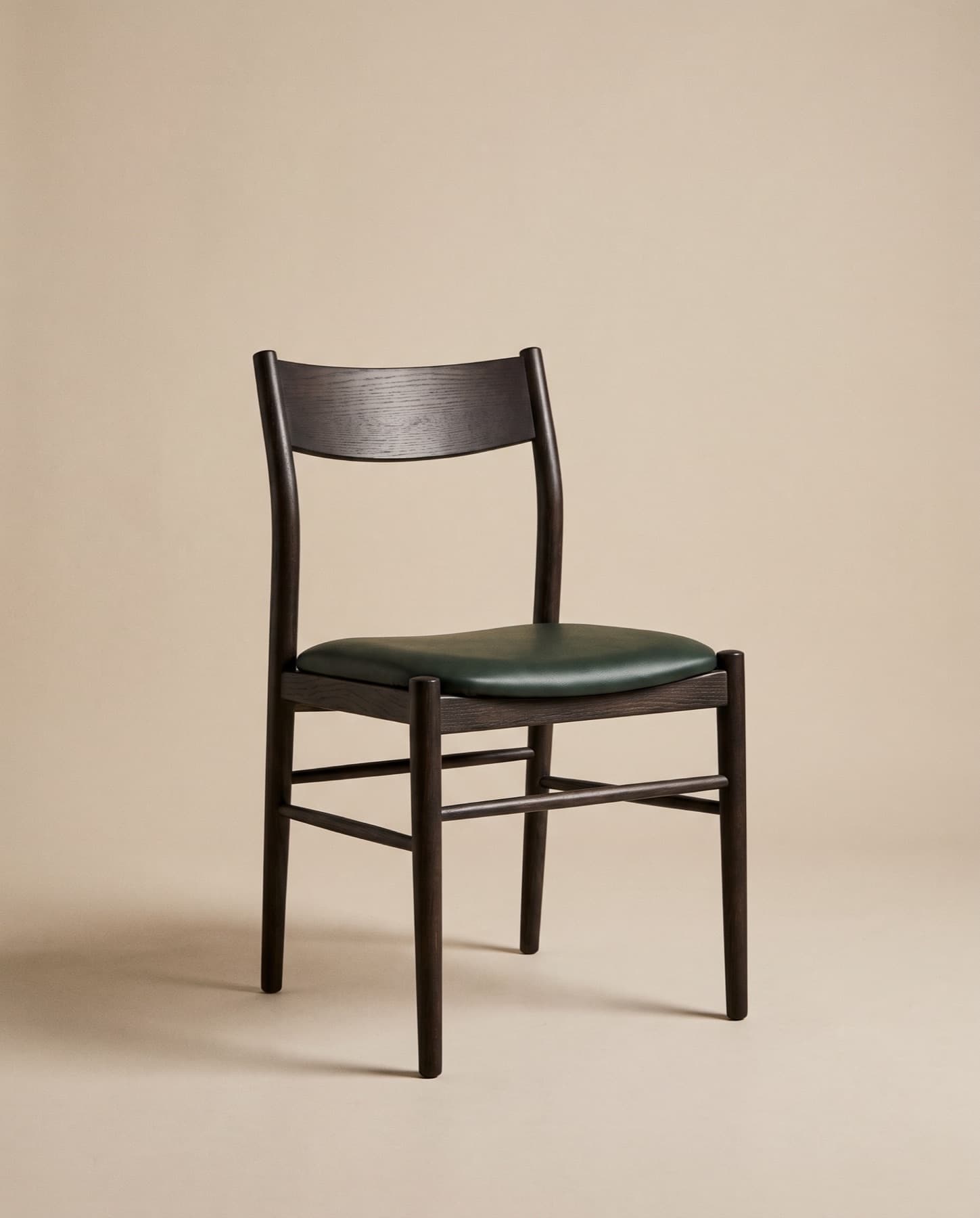
A chair is a small object with a great deal to resolve. It has to look right from every side, carry a person comfortably for hours and survive years of being moved. Drawings get a design most of the way; the rest is decided at full size.
01Drawing the intent
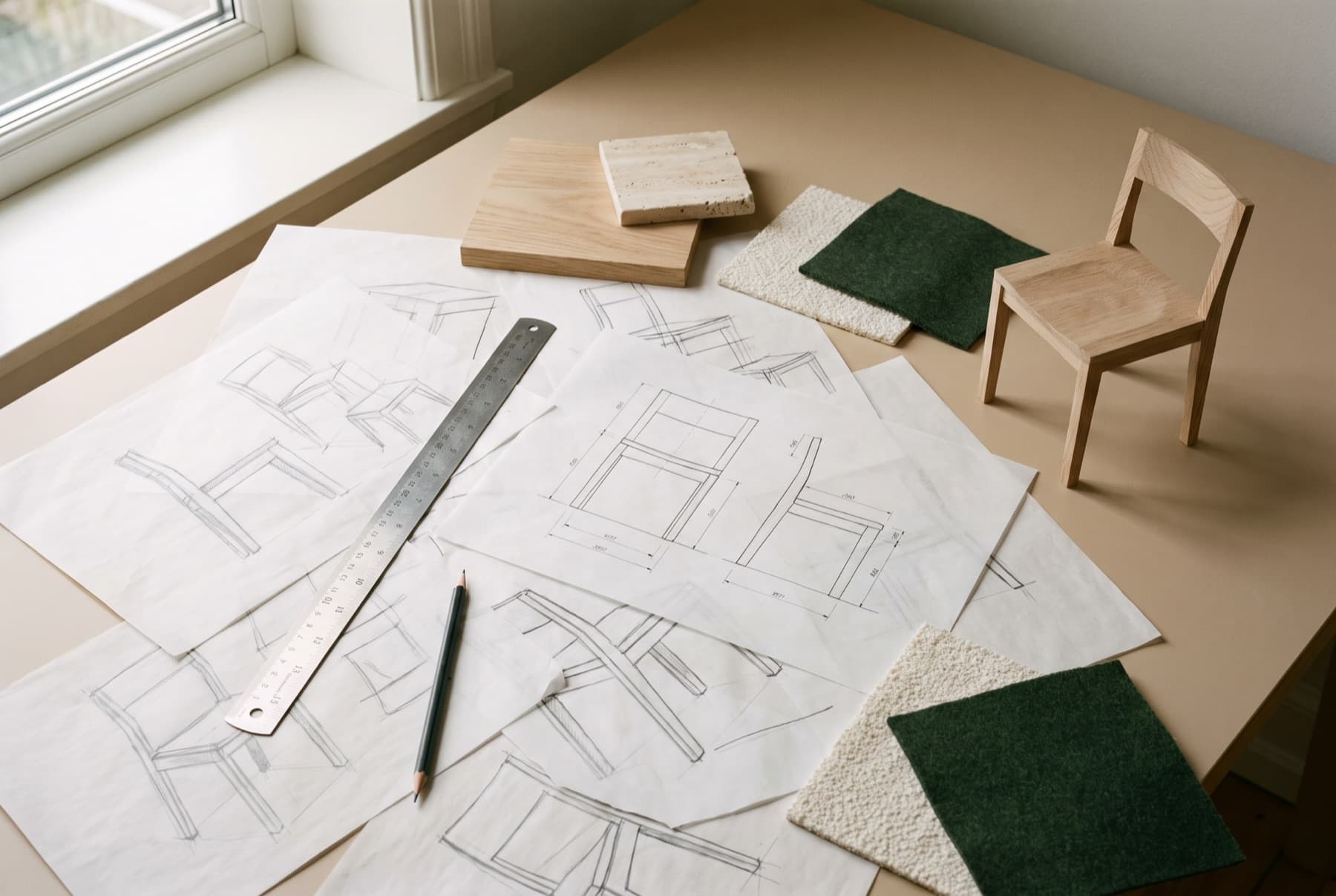
Work starts with drawings: front, side and plan, with the key heights and angles marked. At this stage the questions are about proportion and use — how high the seat sits, how far the back reclines, how the chair meets the table and the room. Material intent is decided alongside: which timber, which joints, where upholstery begins and ends.
02Making it real
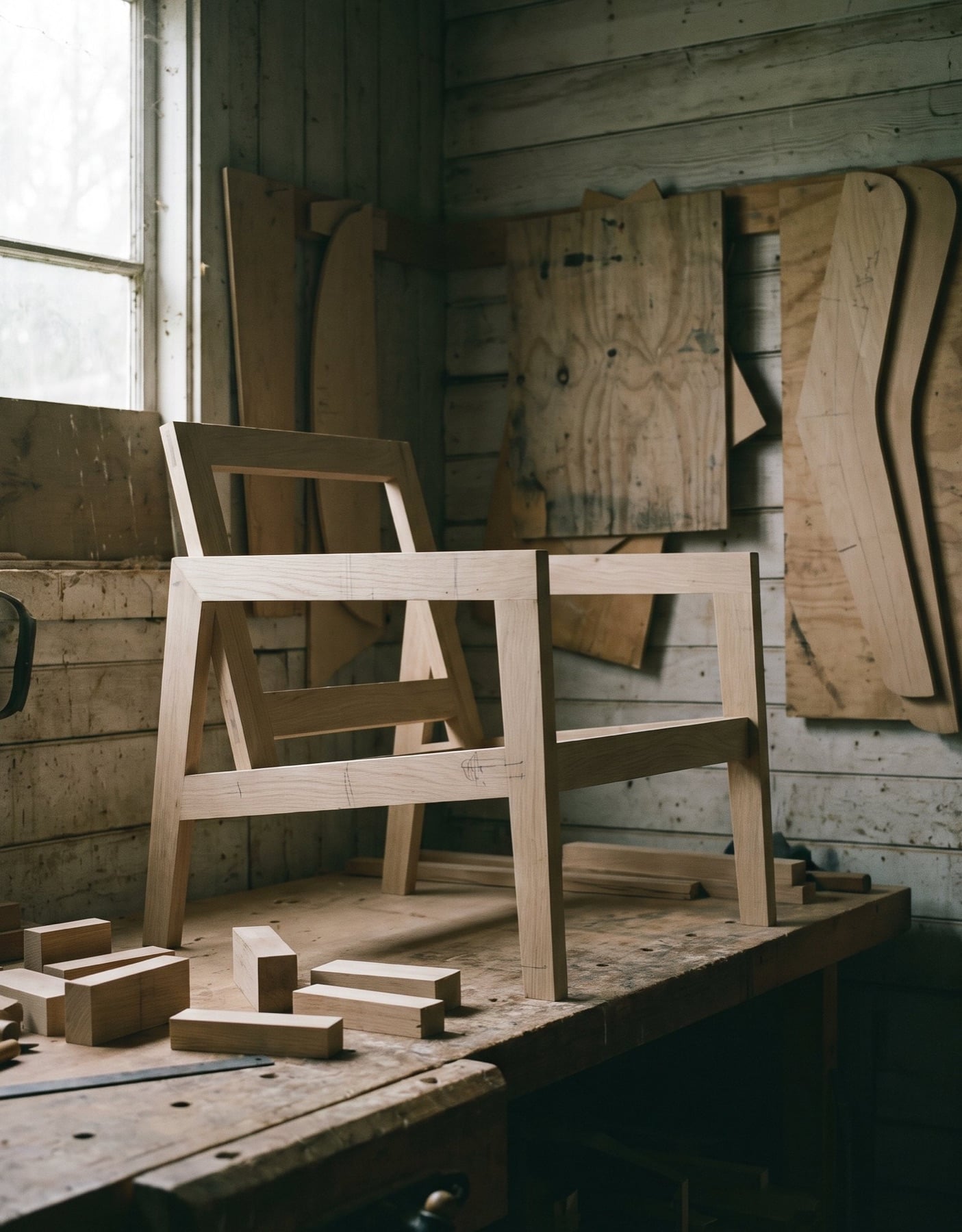
A full-size prototype is made from the drawings, often first as an unfinished frame. Seen in three dimensions, small things become obvious: a rail that looks heavy from behind, a leg that reads too thin from across the room, an edge that needs softening where hands fall.
03Sitting, measuring, adjusting
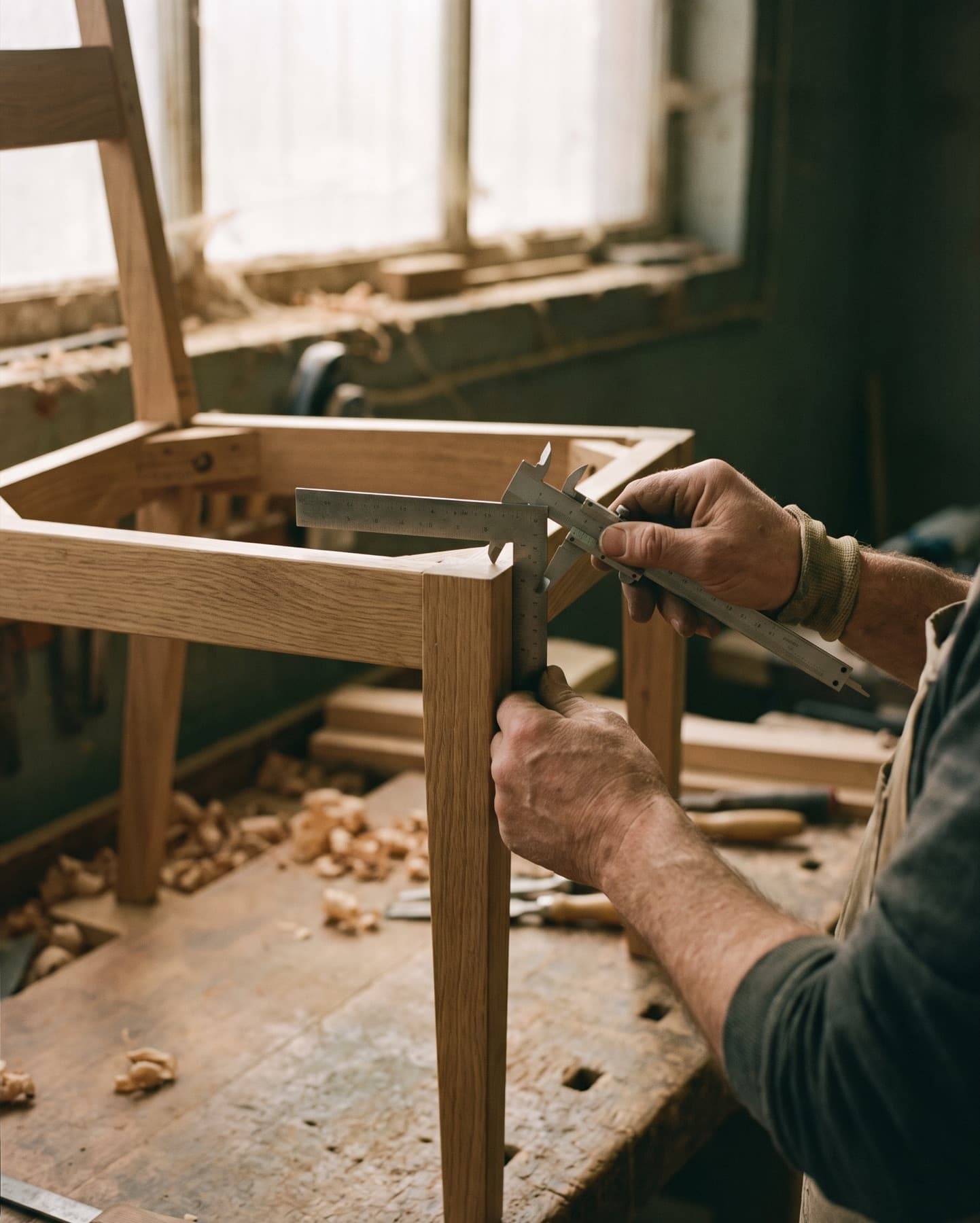
Then the prototype is sat in — by different people, for longer than feels necessary. Seat height, seat depth and the angle of the back are checked against the drawings and adjusted where comfort asks for it. Joints are examined under load. Changes go back into the drawings, so the record stays true to the object.
04The approved sample
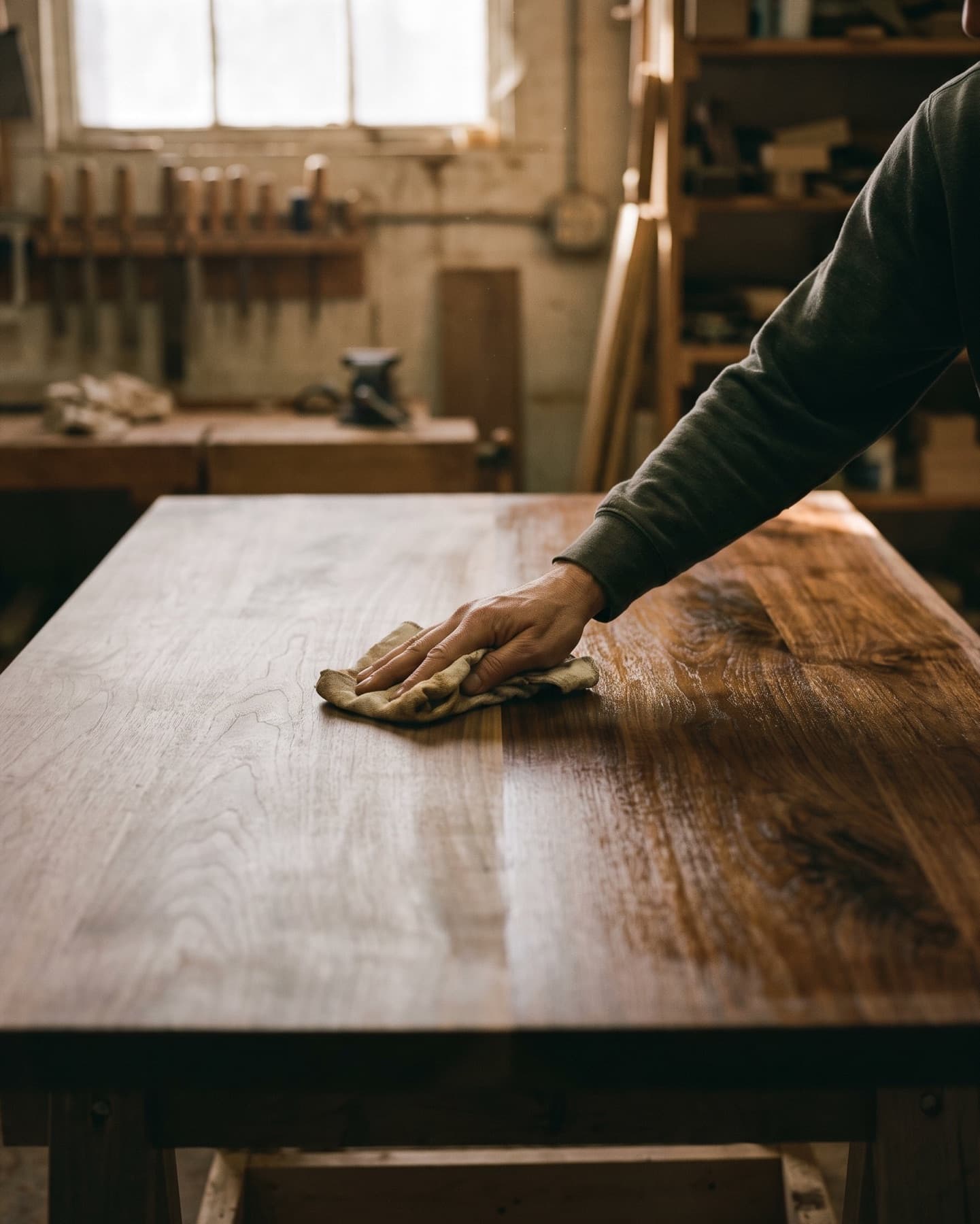
When the design team is satisfied, a finished sample is made in the specified timber, finish and fabric. Once approved, it becomes the reference for everything that follows: each production piece is checked against it, and against the drawings that describe it.
05Why it is worth the time
Prototyping adds a step, but it moves decisions to the point where they are cheapest to make. A change to a rail on one prototype costs an afternoon; the same change discovered after a production run costs far more. For bespoke work in particular, the prototype is where a drawing becomes a piece of furniture.