Specifying seating for a restaurant that never closes
Frames, finishes and fabrics for dining rooms that turn tables from breakfast until the last late cover.
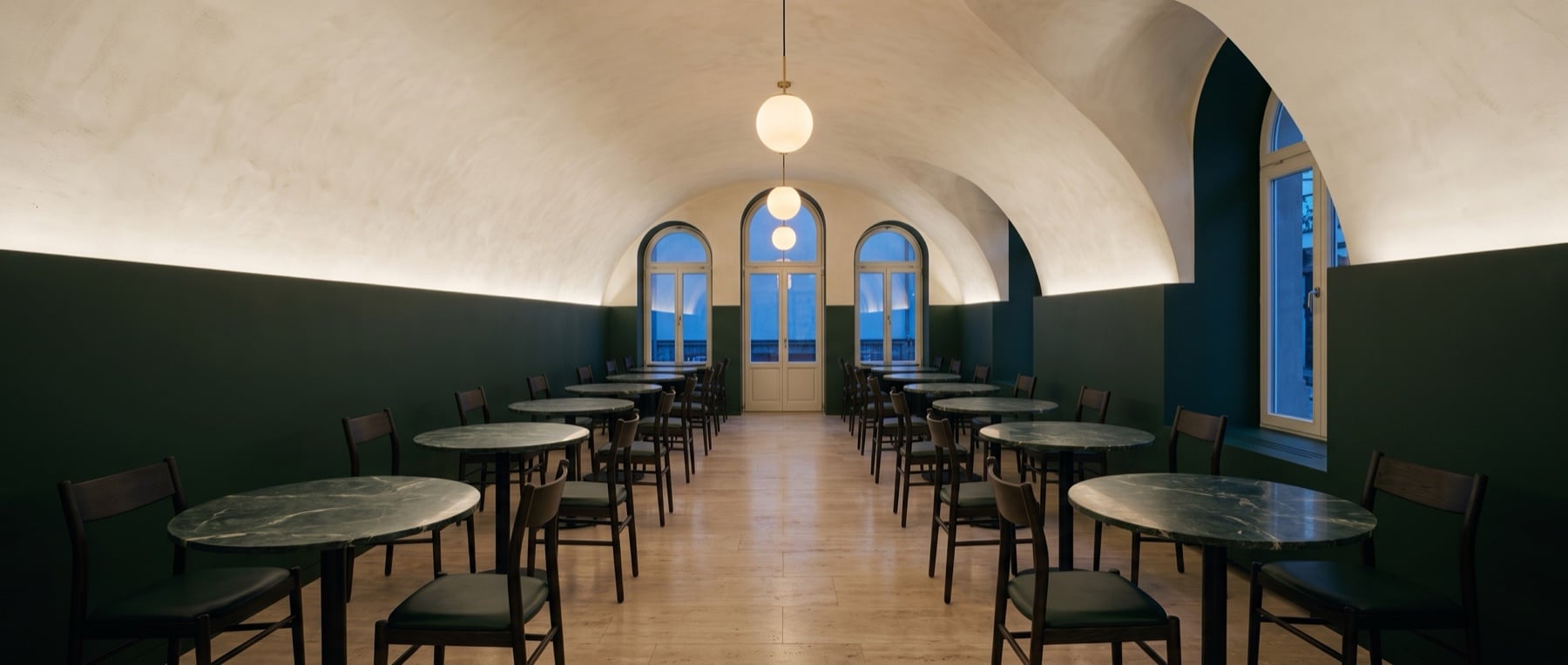
An all-day restaurant asks more of a chair than almost any other room. The same seat is pulled out for breakfast, leaned back in over lunch and dragged across the floor at midnight while the room is cleaned. Choosing well starts with how the room is run, not with a picture.
01Start with the service
Before looking at designs, write down how the space works: how often tables turn, whether two-tops are pushed together for groups, how the floor is cleaned and whether chairs are lifted onto tables at night. Each answer narrows the field. A chair that is lifted every evening should be light and comfortable to grip; a chair that is never moved can be heavier and more generous.
02Look at the joints, not only the outline
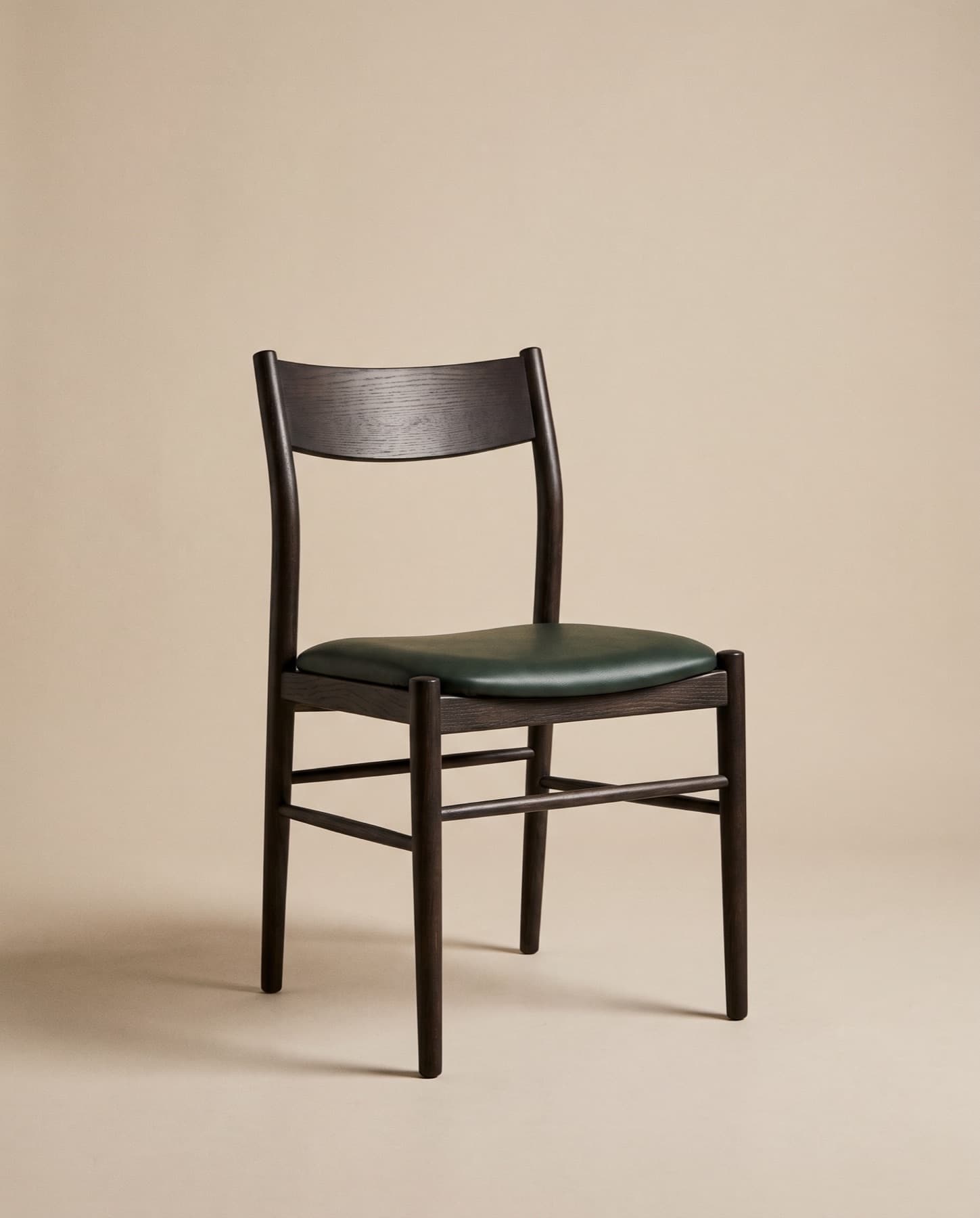
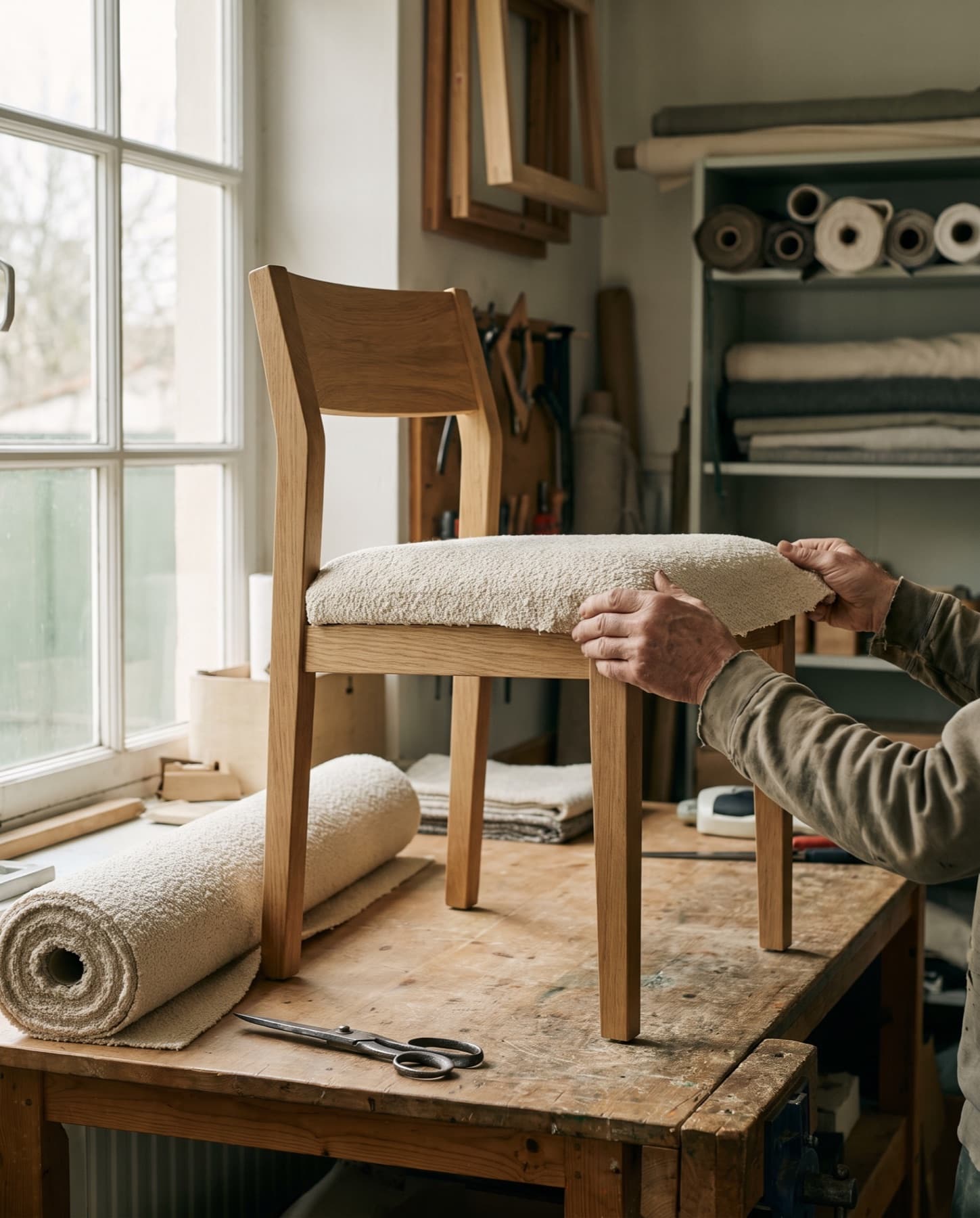
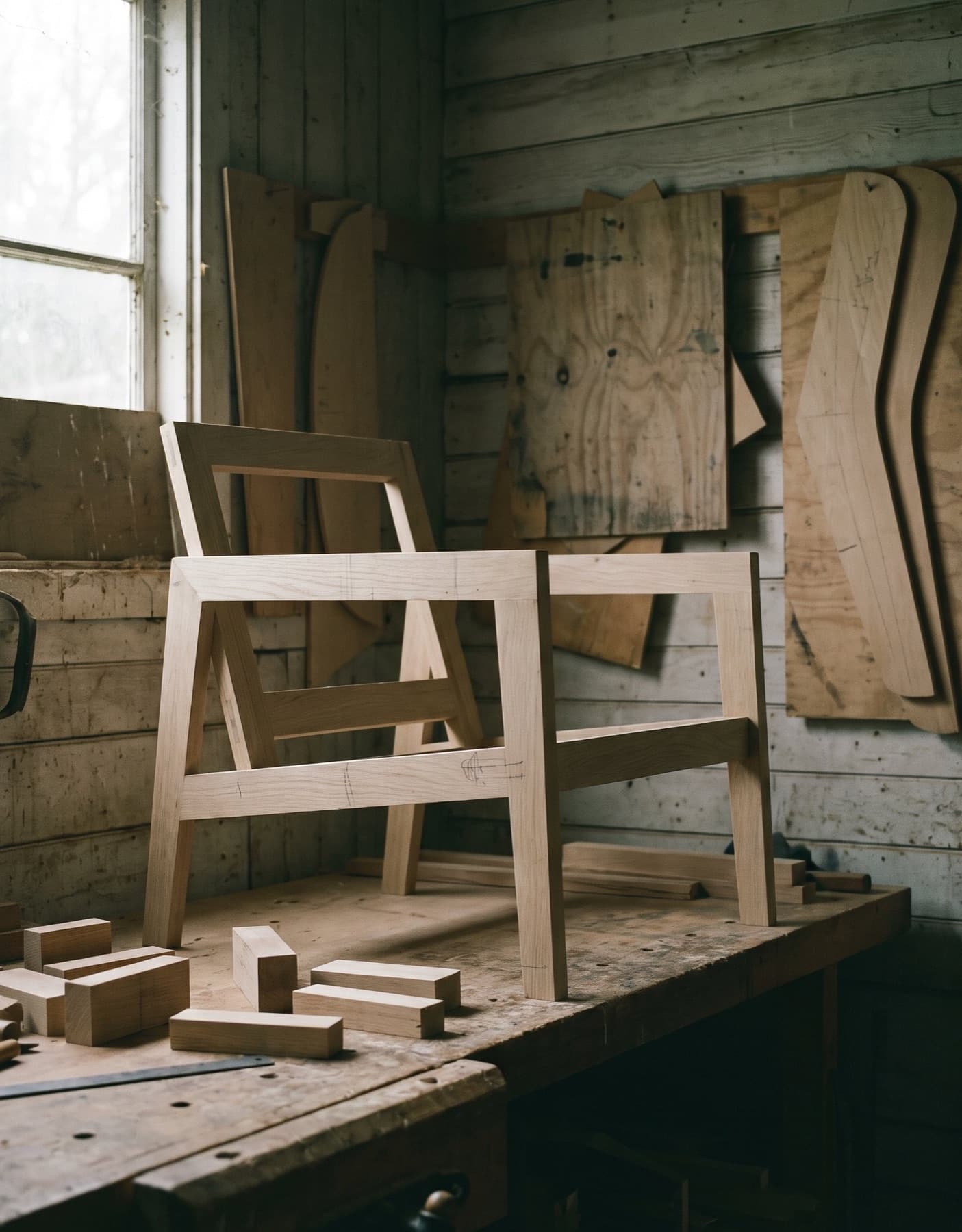
Most chairs fail where pieces meet. Ask how the frame is joined — mortise-and-tenon or dowelled joints in solid hardwood, or properly welded metal — and where it is reinforced. Stretchers add strength, but they also catch bags and heels; slimmer frames without them rely on better joinery. A good maker will explain the construction of the piece in front of you.
03Choose finishes for repair, not just for colour
Oiled timber can be refreshed and spot-repaired on site, which suits chairs that take knocks. Lacquer gives a more uniform, wipe-clean surface, but a deep scratch is harder to hide. Think about who will maintain the furniture and how often, and ask for the care guide before you decide.
04Upholstery that can be cleaned
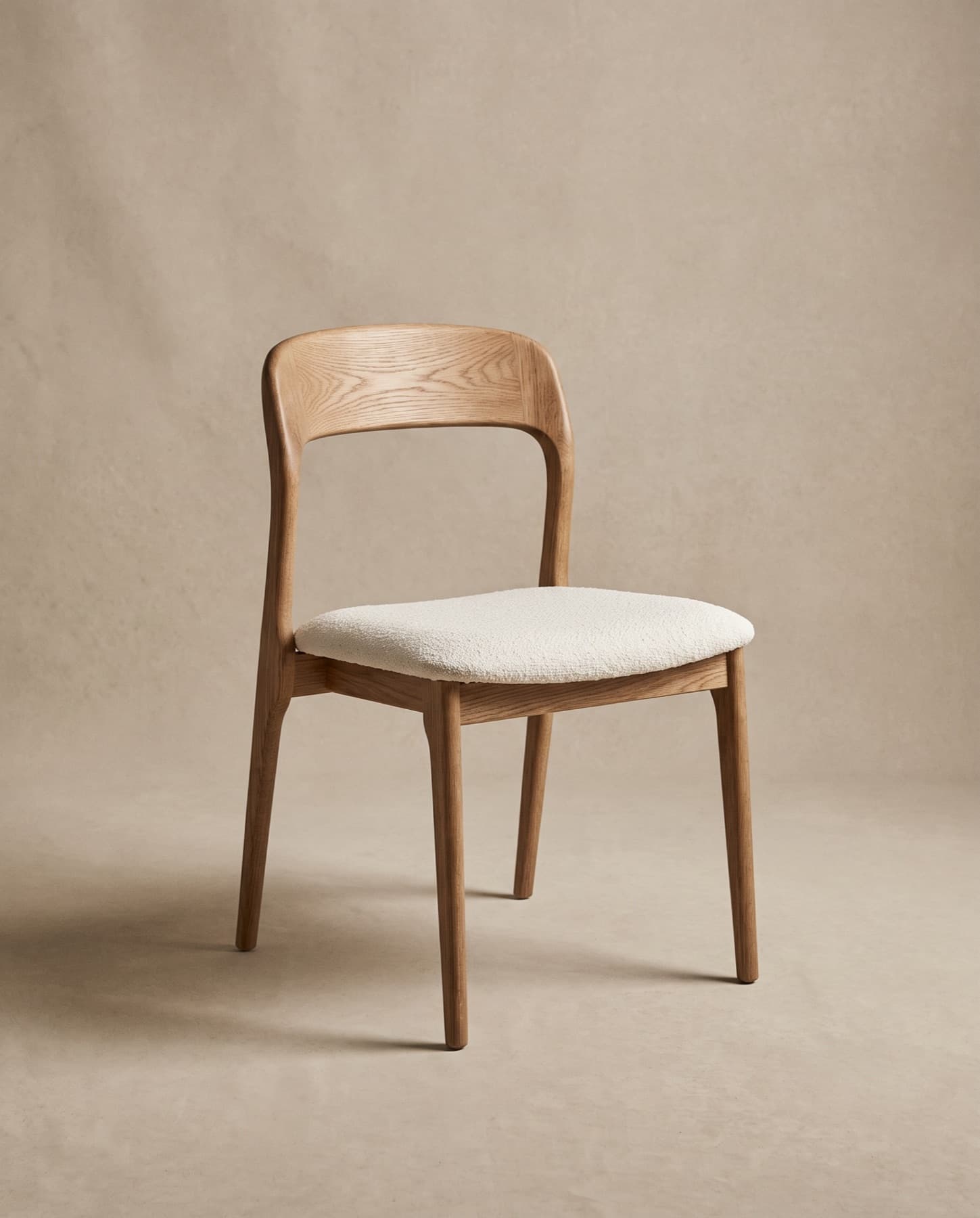
Fabrics and leathers should be chosen for how they clean as much as for how they look. Ask for the test data for abrasion and for fire performance in your market, and consider whether seat pads can be removed and re-covered. A darker or more textured fabric hides wear for longer; a pale bouclé brings softness but needs a clear cleaning routine.
05Heights, glides and floors
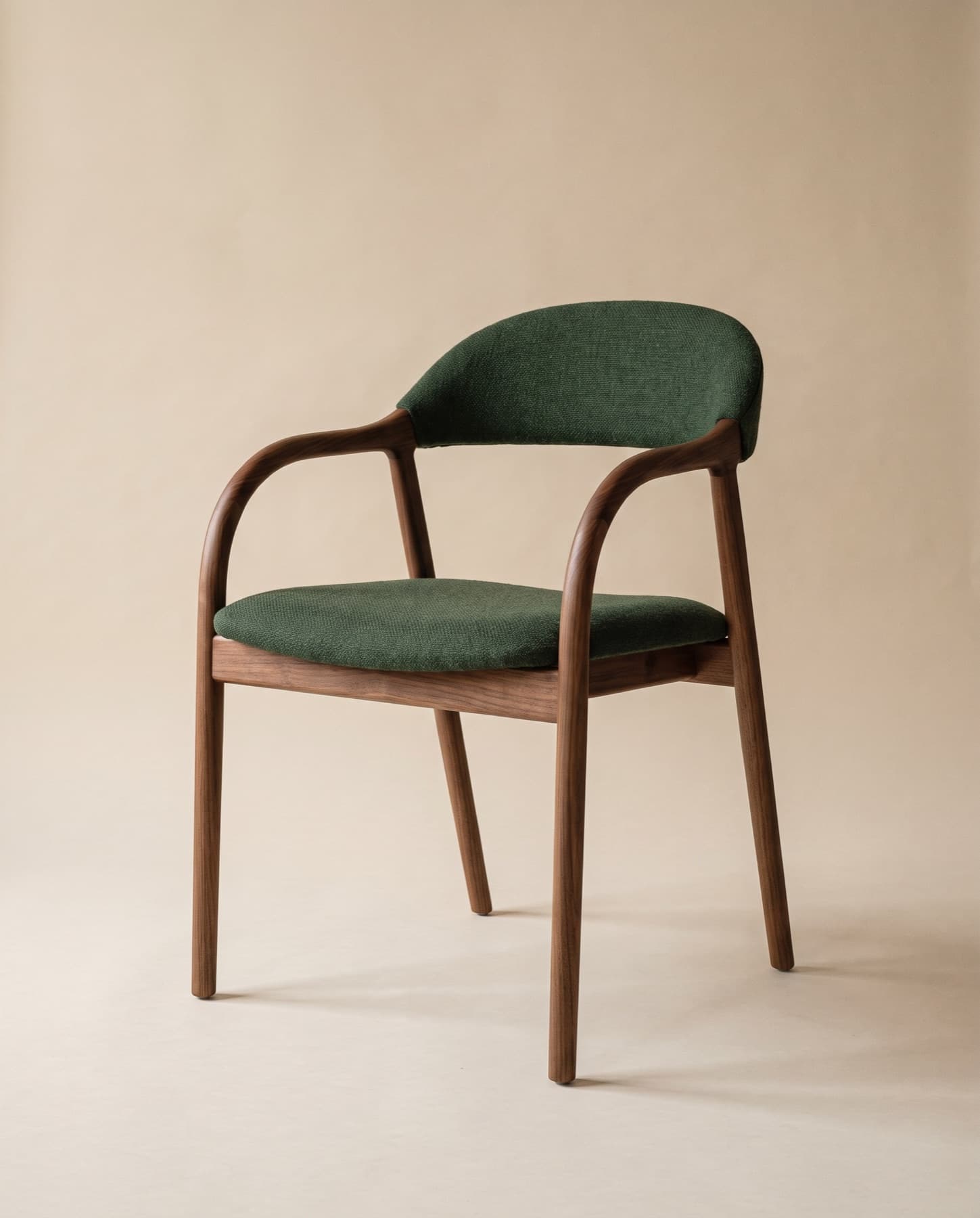
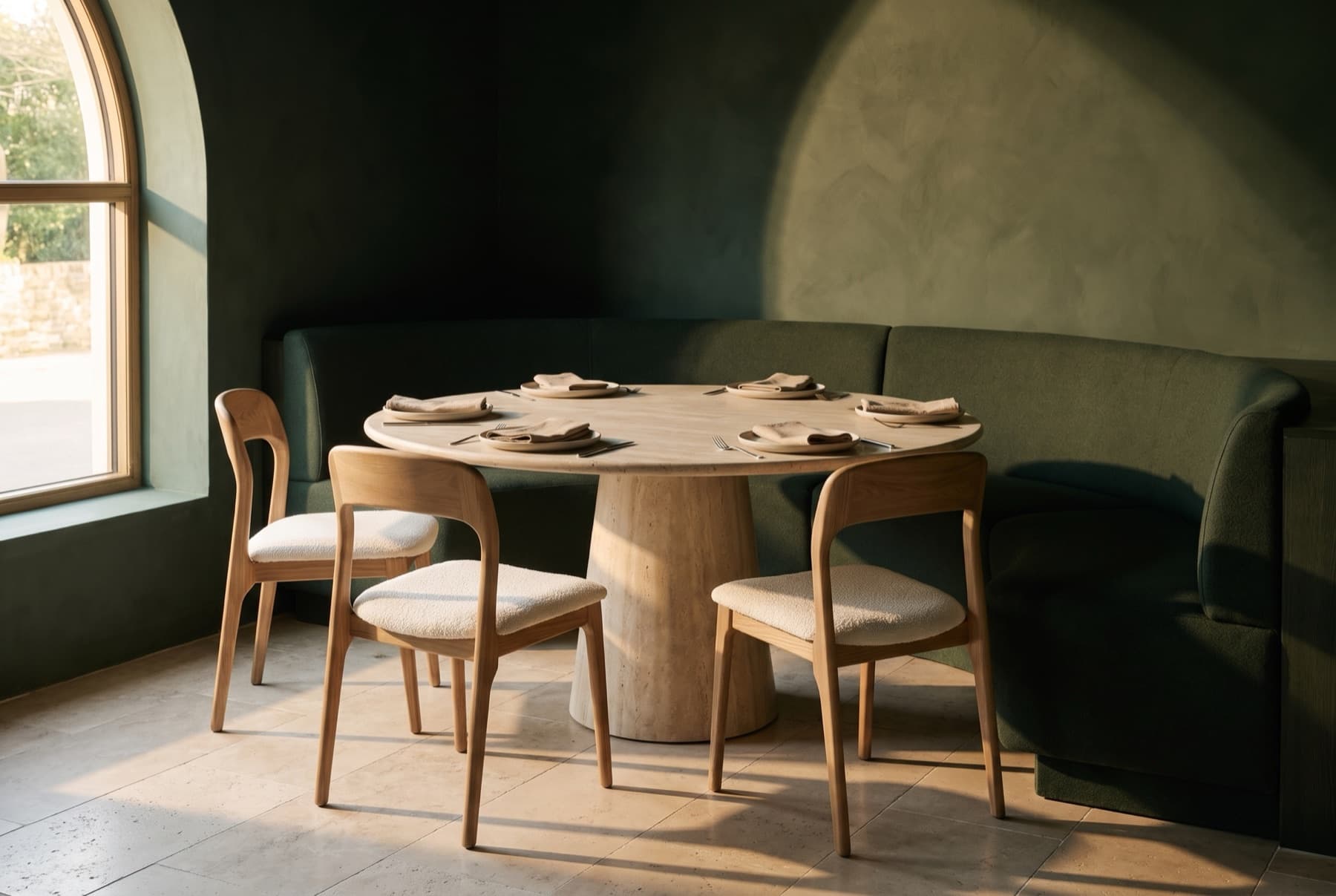
Check seat height against your actual table height and apron, and armchair arm height against the table edge, so chairs slide underneath. Glides matter more than they seem: felt protects timber floors, while hard glides suit stone and resin. If the room has more than one floor finish, plan for it.
06Think about the second order
Restaurants refurbish, expand and open second sites. Keep a schedule of every piece with its product code, timber, finish and fabric, so a matching chair can be made years later. Ask whether spare seat pads or covers are worth ordering with the first delivery.
07Sit in it before you sign
The cheapest way to avoid an expensive mistake is a sample chair at your own table, in your own finish and fabric. Sit in it for the length of a meal, have the team carry and clean it, and only then confirm the order.
Pieces from
the collection.
Arden, Nord and Vale — all from the Atelier collection.
View the Atelier collection